Dry eyes and a dry mouth are surprisingly common complaints among people living with Fibromyalgia. While fibromyalgia is best known for widespread pain, fatigue, and tender points, it can also affect the body in ways that go beyond muscles and joints—including how your eyes and mouth stay hydrated. Understanding why this happens and how to manage it can make a big difference in daily comfort and quality of life.
One of the main reasons people with fibromyalgia experience dryness is related to dysfunction in the Autonomic Nervous System. This system controls automatic body processes like tear production and saliva flow. When it doesn’t function properly—as is often seen in fibromyalgia—your body may produce fewer tears and less saliva, leading to symptoms like gritty eyes or a constant dry feeling in the mouth.
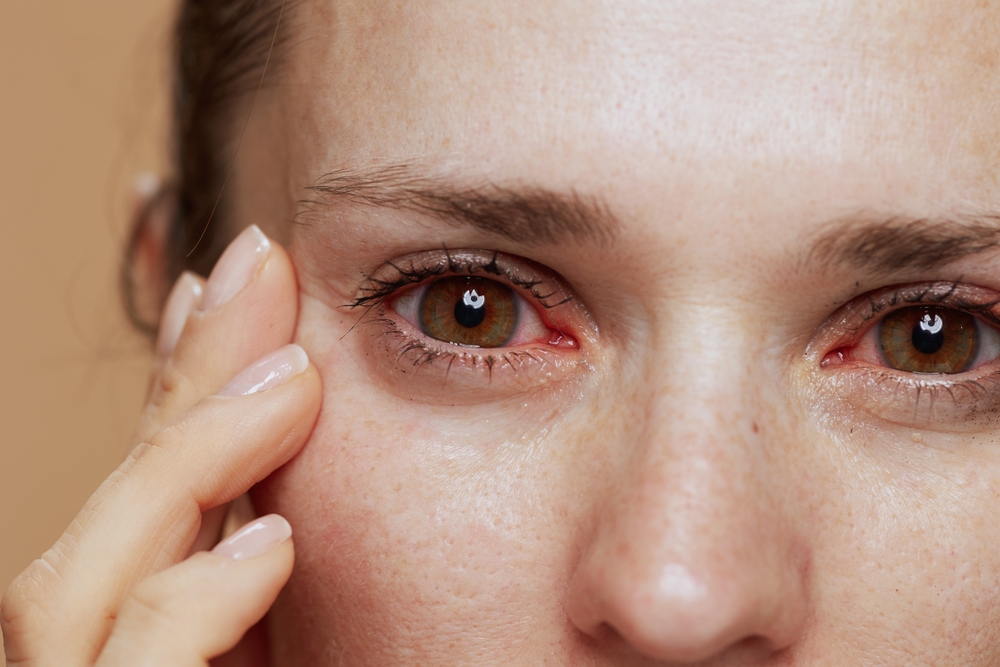
Dry eyes can feel like burning, itching, or a sensation that something is stuck in your eye. Some people also notice redness, blurred vision, or increased sensitivity to light. This condition is often linked with Dry Eye Syndrome, which can be chronic and frustrating. For fibromyalgia sufferers, this may worsen during flare-ups when the body is already under stress.
Similarly, dry mouth—also called Xerostomia—can make it difficult to speak, swallow, or even taste food properly. Saliva plays an important role in protecting your teeth and gums, so reduced saliva can increase the risk of cavities, bad breath, and oral infections. Many people report waking up with a sticky or parched feeling in their mouth, especially at night.
Another condition that sometimes overlaps with fibromyalgia is Sjogren’s Syndrome. This autoimmune disorder specifically targets the glands that produce tears and saliva. Some individuals with fibromyalgia may actually have undiagnosed Sjogren’s, which makes dryness more severe. If symptoms are persistent or worsening, it’s important to consult a doctor for proper evaluation.
Certain medications used to manage fibromyalgia symptoms—such as pain relievers, antidepressants, and muscle relaxants—can also contribute to dryness as a side effect. Drugs that affect the nervous system may reduce fluid secretion, making both eye and mouth dryness more noticeable over time.
Managing these symptoms requires a combination of lifestyle adjustments and supportive treatments. For dry eyes, using artificial tears regularly can help keep the eyes lubricated. Avoiding excessive screen time, taking frequent breaks, and using a humidifier can also reduce irritation. Wearing sunglasses outdoors can protect sensitive eyes from wind and sunlight.
For dry mouth, staying well-hydrated is essential. Sip water throughout the day rather than drinking large amounts at once. Chewing sugar-free gum or sucking on sugar-free lozenges can stimulate saliva production. Avoid caffeine, alcohol, and tobacco, as they can worsen dryness. Maintaining good oral hygiene and visiting a dentist regularly is also very important.
In some cases, doctors may recommend medications or specialized treatments to stimulate tear or saliva production. Identifying and treating any underlying condition—like Sjogren’s Syndrome—can significantly improve symptoms.
It’s also worth noting that stress and poor sleep, both common in fibromyalgia, can worsen dryness. Practicing relaxation techniques such as deep breathing, gentle stretching, or mindfulness may help calm the nervous system and improve overall symptom control.
Living with fibromyalgia means managing a wide range of symptoms, and dryness in the eyes and mouth can be both uncomfortable and disruptive. However, with proper care, awareness, and small daily adjustments, these symptoms can be managed effectively. Paying attention to your body, staying hydrated, and seeking medical advice when needed can go a long way in improving your comfort and well-being.
If you’d like, I can also turn this into a social media–style post or expand it further into a 200-line detailed article.
Dry eyes and mouth due to fibromyalgia